Wild Cats of India – Exploring Big, Medium, and Small Feline Species
India is one of the most diverse wildlife destinations in the world, home to an incredibly diverse ecosystem, including lush rainforests and grasslands, deserts, and snow-clad mountains. The most intriguing of its inhabitants, however, are the wild cats: powerful predators and ecological balancing factors. From the majestic tigers down to the seldom-sighted Jungle cats, are native to the Indian subcontinent more than a dozen species of wild felines are native to the Indian subcontinent, making the country a veritable paradise for lovers of wildlife and photographers.
In this blog, Travotic Holidays takes you on a journey to explore the big, medium, and small wild cats of India, their habitats, and the best places to spot them.
Big Cats of India
1. Bengal Tiger
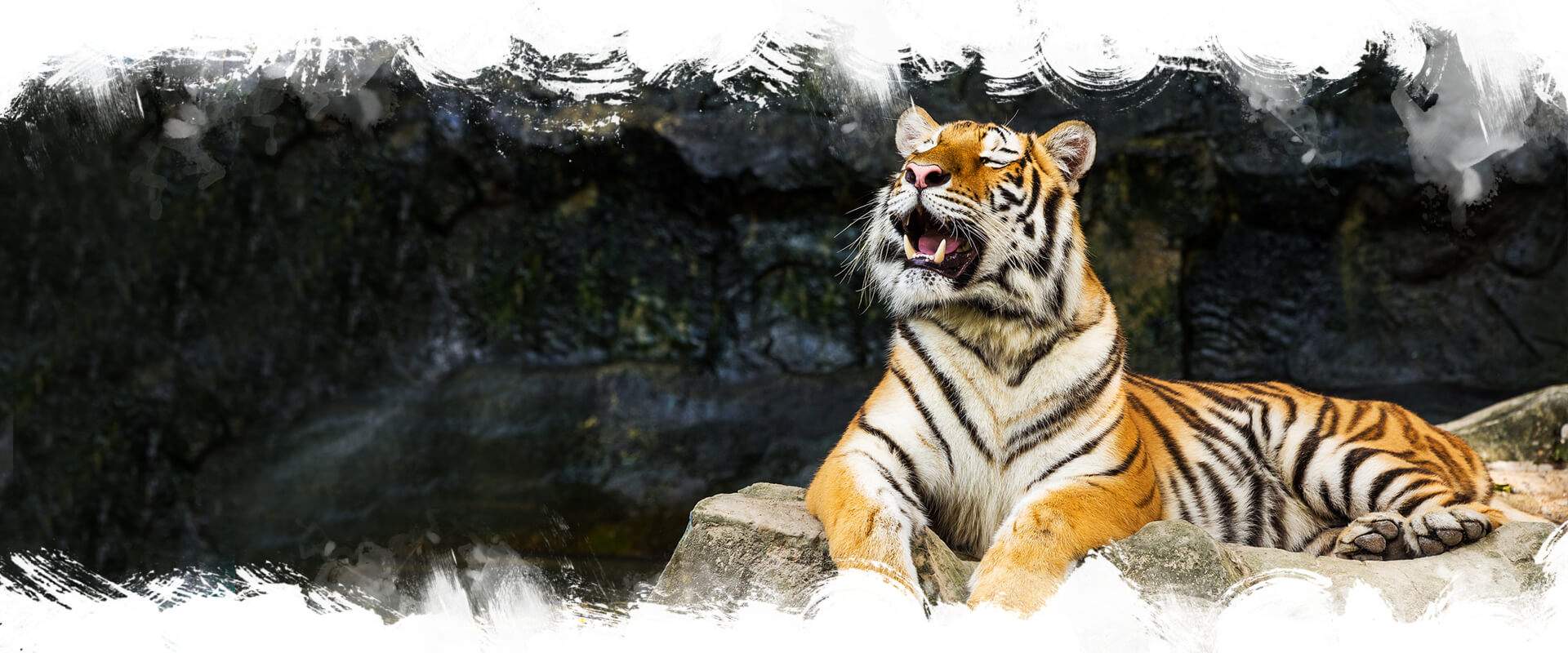
The Bengal tiger is the most iconic wild animal. It is the animal of India, the symbol of strength and pride. Therefore, tigers are found across central, eastern, and southern India and prefer dense forests, mangroves, and grasslands as a habitat. Places that include famous national parks such as Ranthambore, Bandhavgarh, Kanha, and Sundarbans are among the best places to see them. Tigers are solitary and territorial, and spotting one in the wild is considered a once-in-a-lifetime experience.
Best places to spot tigers:
- Ranthambore National Park (Rajasthan)
- Jim Corbett National Park (Uttarakhand)
- Bandhavgarh & Kanha National Parks (Madhya Pradesh)
- Sundarbans (West Bengal)
2. Asiatic Lion
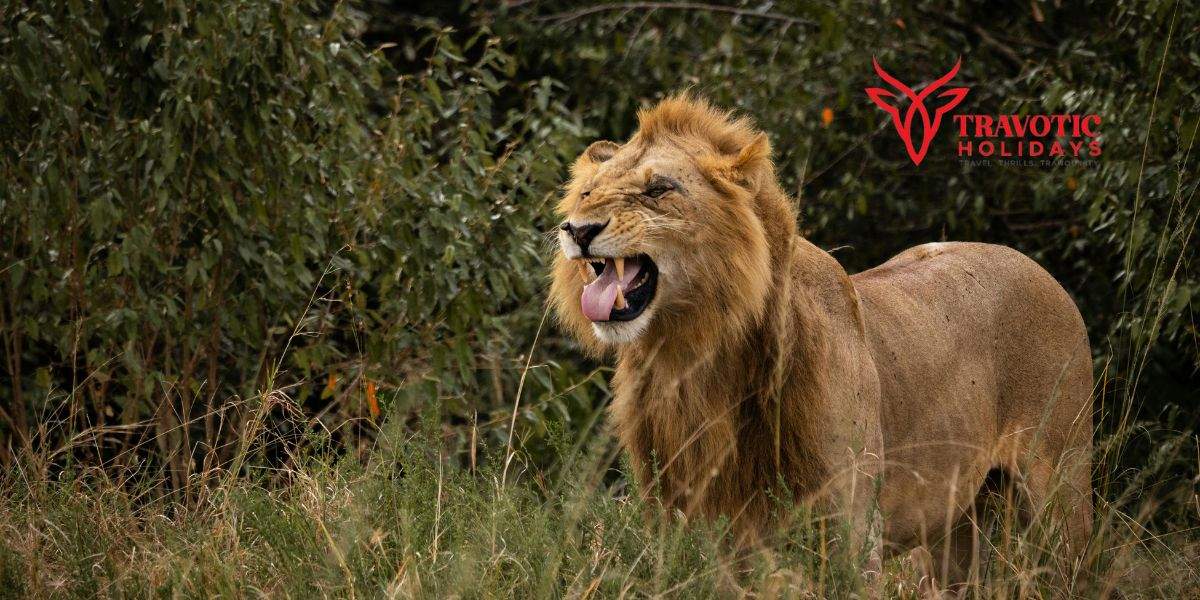
Once spread across much of Asia, the Asiatic lion survives today only in the Gir Forest National Park in Gujarat. Slightly smaller in size than the African Lion, the majestic creature can be spotted in prides, making it easier than the tigers. Gir has emerged as one of the top wildlife tourism sites, where tourists can catch a glimpse of the rare species on a jeep safari.
Best place to see:
- Gir National Park, Gujarat
3. Indian Leopard
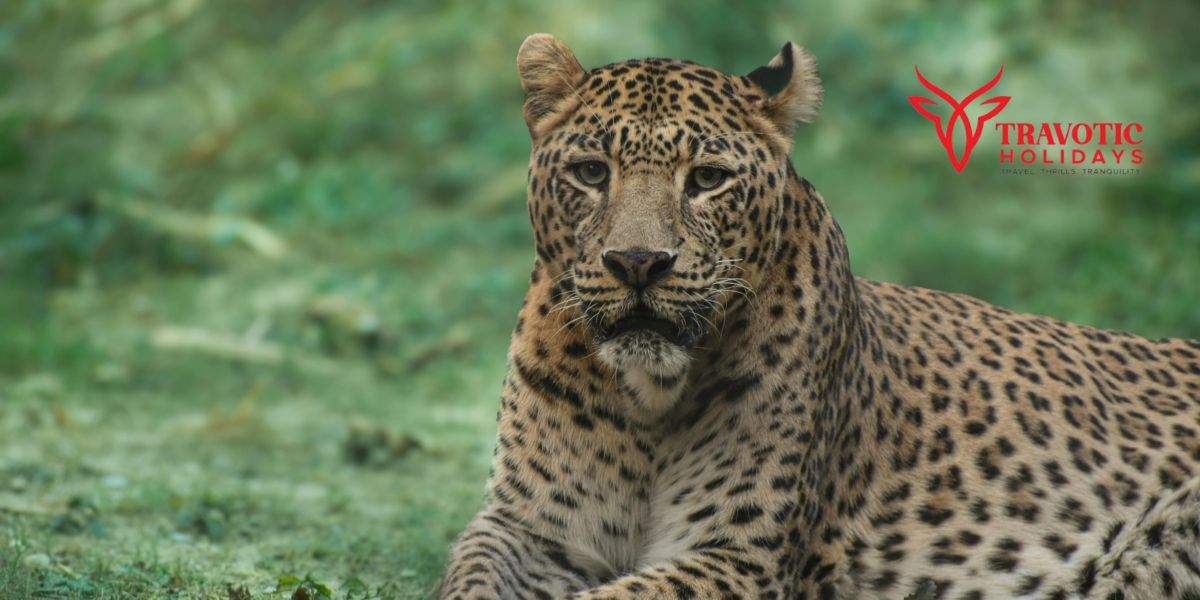
Leopards are the most adaptable of all big cats and are found in almost every part of India, from forests and mountains to even the outskirts of cities. Known for their stealth and agility, leopards are excellent climbers and often rest in trees. Popular leopard destinations include Nagarhole, Kabini, Jhalana, and Bera.
Best places to spot leopards:
- Kabini Wildlife Sanctuary (Karnataka)
- Satpura National Park (Madhya Pradesh)
- Jhalana Leopard Safari (Jaipur)
4. Snow Leopard
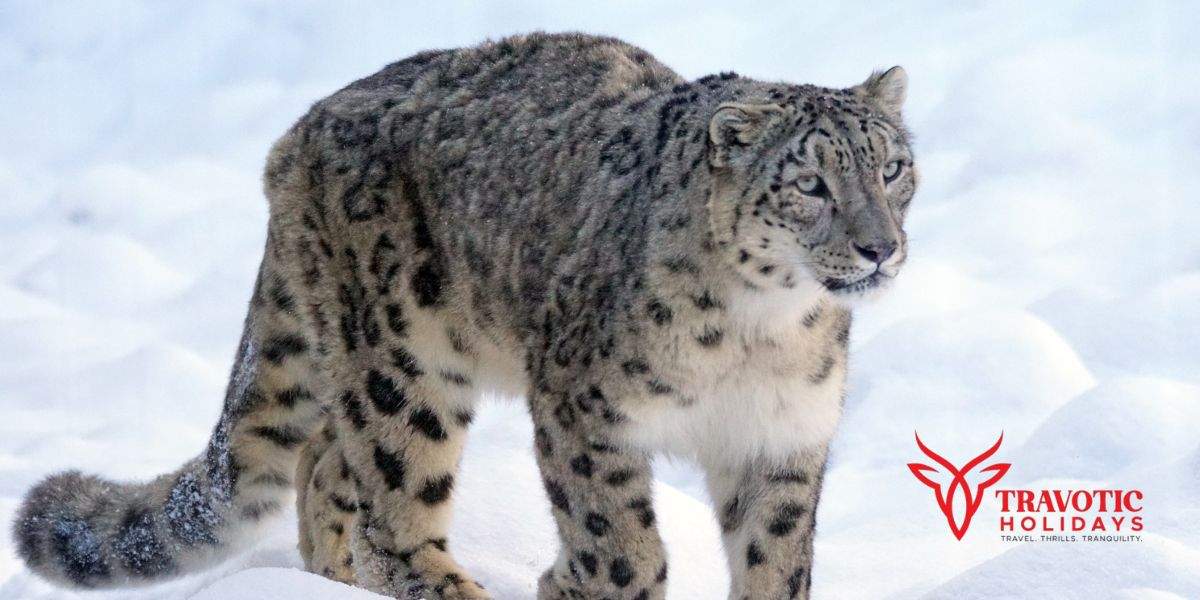
One of the most mysterious and beautiful wild cats, the snow leopard is mostly found in cold and snowy areas of the Himalayas, mainly in Ladakh, Himachal Pradesh, and Uttarakhand. With its grey coat and long tail, it has adapted best to survive in the extreme cold. Spotting a snow leopard requires patience, but the thrill of seeing this “ghost of the mountains” is unmatched.
Best places to spot Snow Leopard:
- Hemis National Park (Ladakh)
- Kibber Wildlife Sanctuary (Himachal Pradesh)
- Nanda Devi Biosphere Reserve (Uttarakhand)
Medium-Sized Wild Cats of India
5. Clouded Leopard
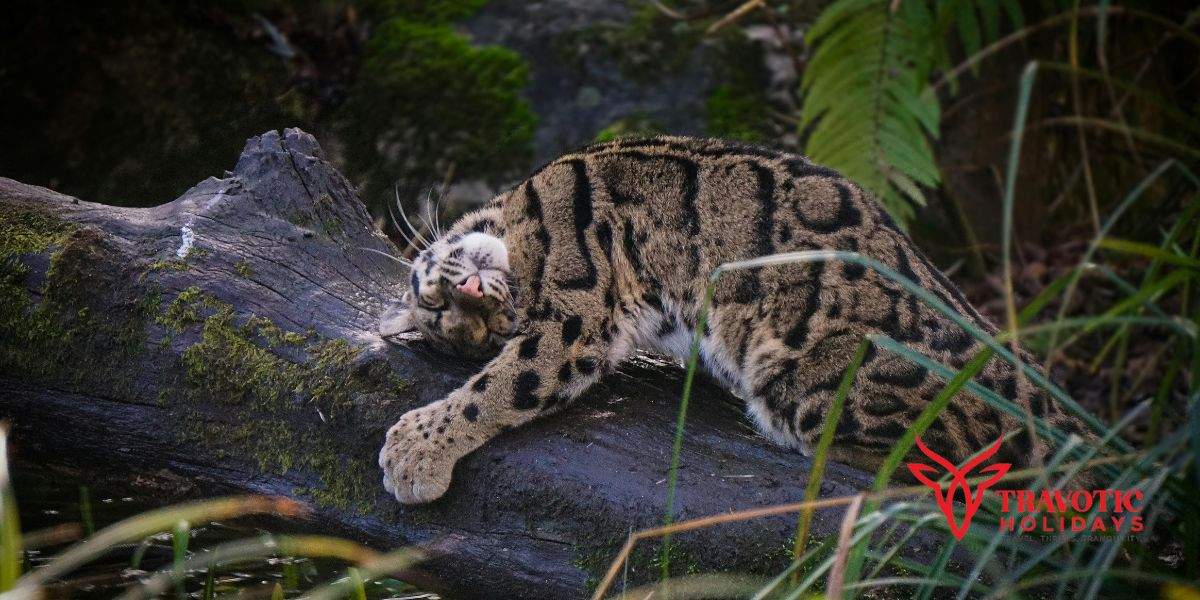
Clouded leopards are usually found in Northeast India. Their major habitats in India include Assam, Meghalaya, and Arunachal Pradesh. The clouded leopard is famous because its spots are as large as clouds. These cats are excellent climbers.
Best places:
- Manas National Park (Assam)
- Namdapha National Park (Arunachal Pradesh)
6. Caracal
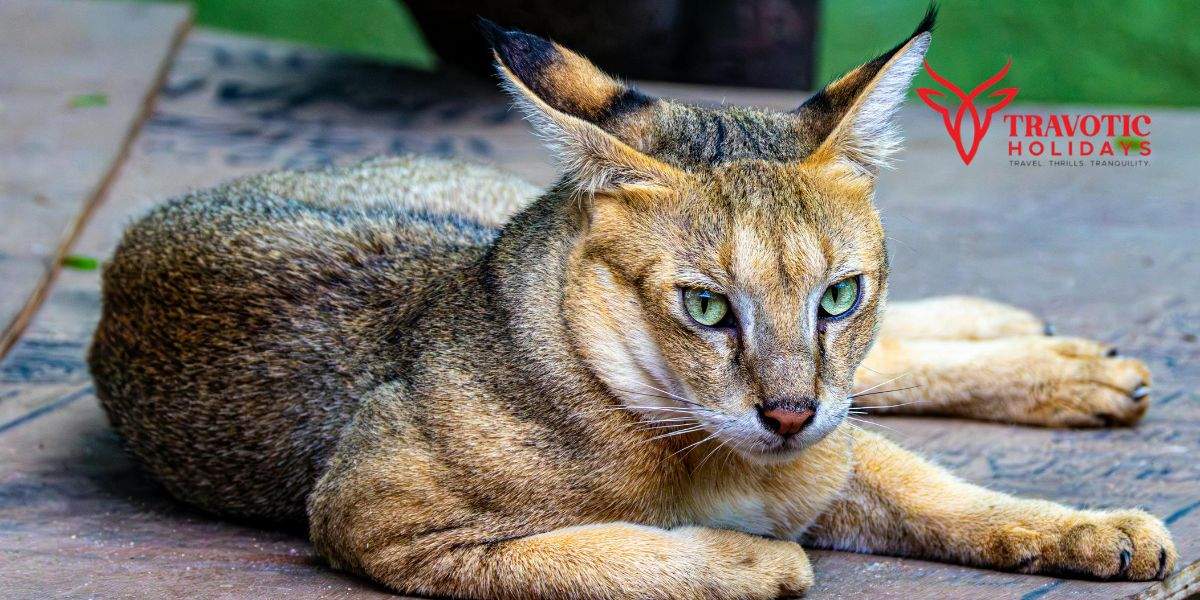
The caracal is a rare and elegant wild cat found in parts of Rajasthan and Gujarat. It is easily identified by its long black ear tufts and reddish-brown coat. Historically known as the “royal cat,” caracals were once trained for hunting by Indian royalty.
Best places to spot Caracal:
- Ranthambore National Park (Rajasthan)
- Kutch Region (Gujarat)
- Sariska Tiger Reserve (Rajasthan)
7. Lynx (Eurasian Lynx)
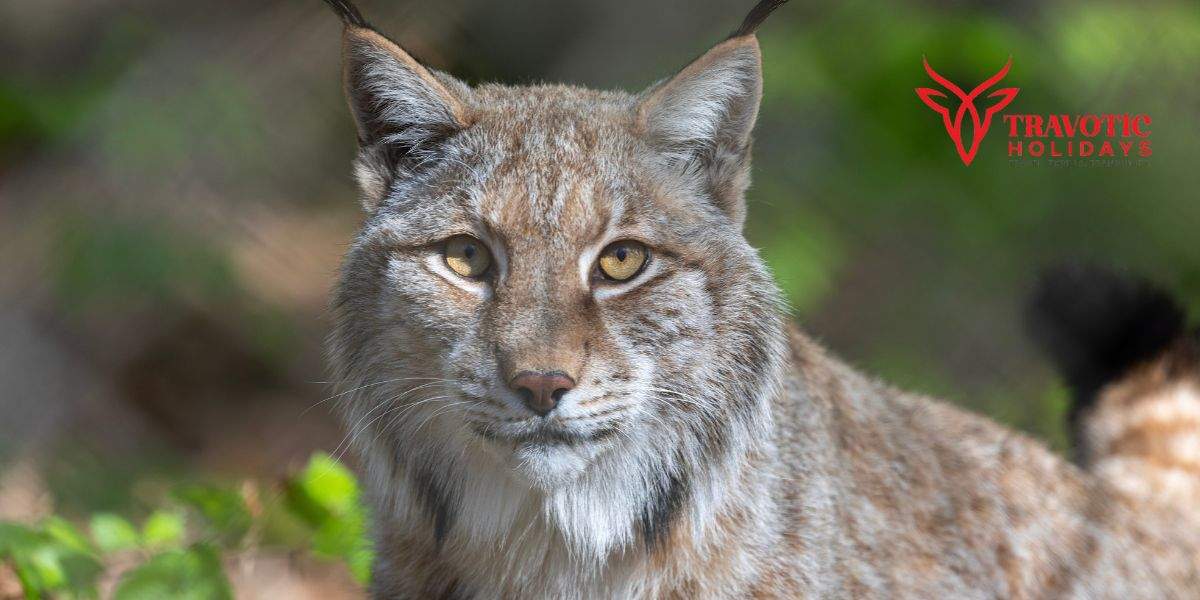
Occasionally reported in the higher regions of Ladakh, the lynx is extremely rare in India. It has a short tail, tufted ears, and thick fur, making it suitable for cold climates.
Best places to spot Lynx
- Kibber Wildlife Sanctuary (Himachal Pradesh)
- Nanda Devi Biosphere Reserve (Uttarakhand
Small Wild Cats of India
8. Jungle Cat
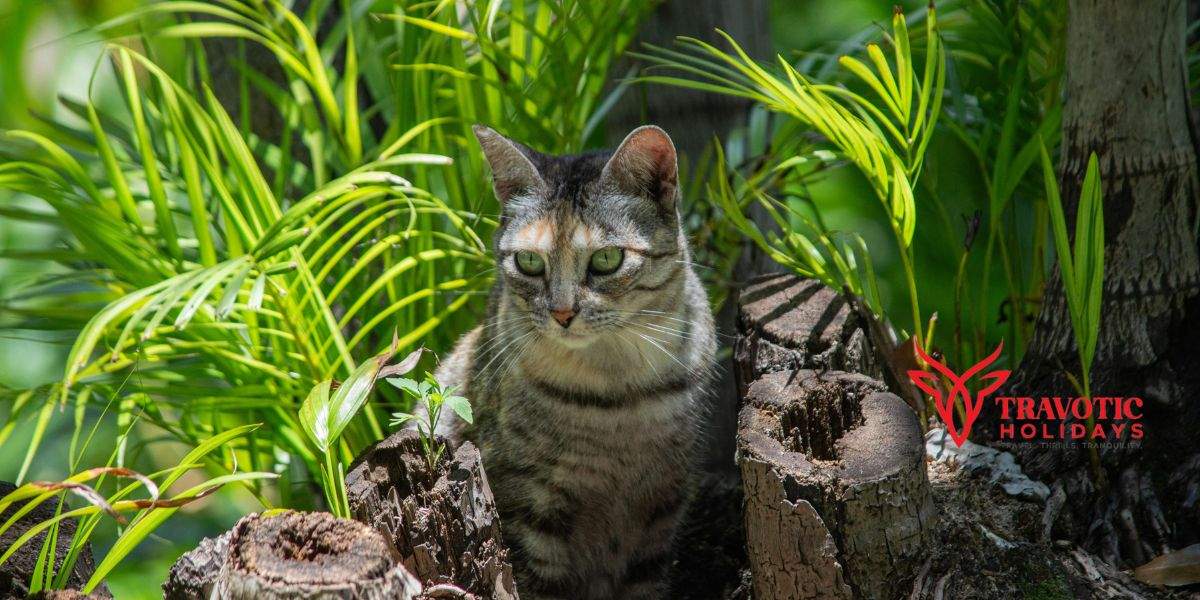
Commonly found near wetlands, grasslands, and forests, the jungle cat is one of the most widely distributed small cats in India. It resembles a domestic cat but is much larger and more muscular.
Where to find:
- Bharatpur Bird Sanctuary (Rajasthan)
- Kaziranga National Park (Assam)
9. Leopard Cat
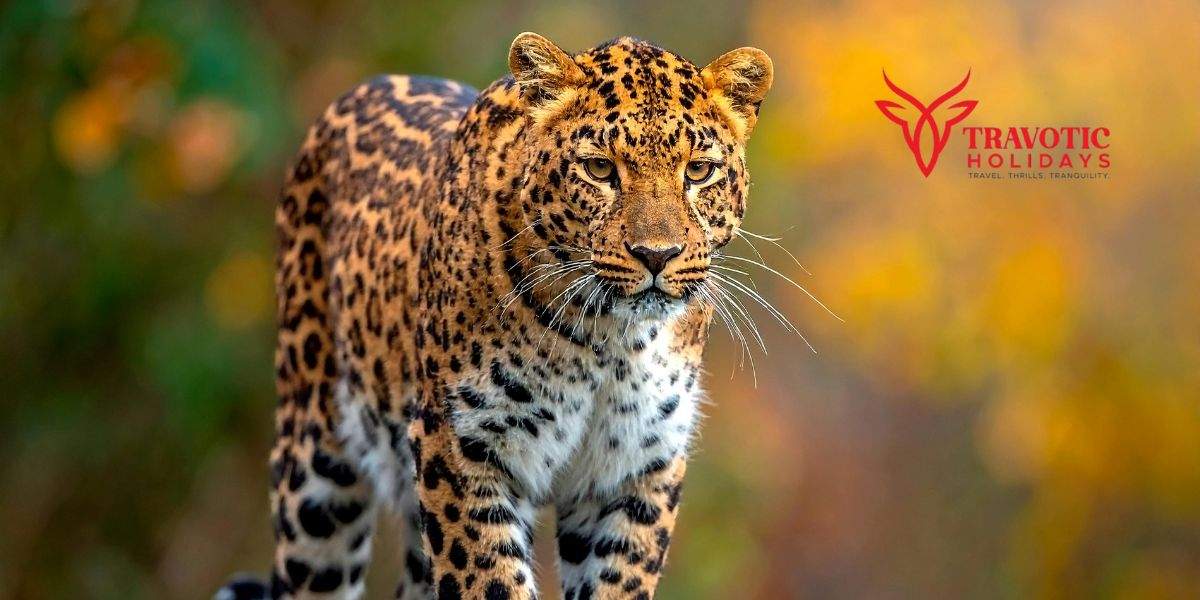
The leopard cat is a beautiful small feline with spotted fur, found mainly in Northeast India and parts of the Western Ghats. It is nocturnal and highly elusive.
Where to find Leopard Cat:
- Manas National Park (Assam)
- Kaziranga National Park (Assam)
- Singalila National Park (West Bengal)
- Western Ghats (Kerala & Karnataka)
10. Rusty-Spotted Cat
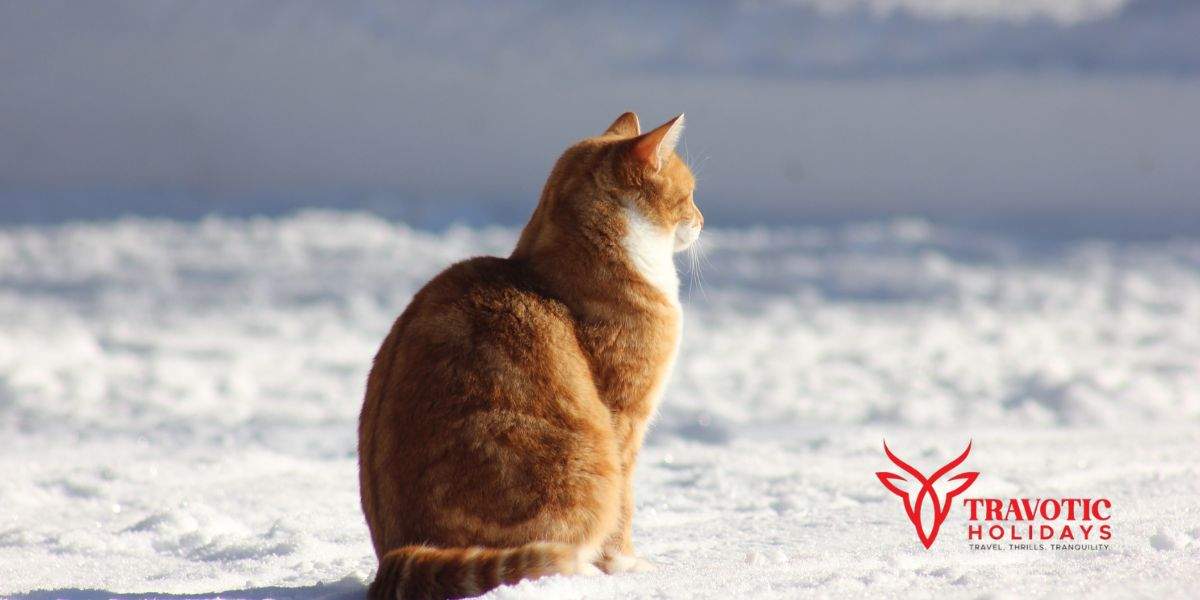
Recognized as one of the smallest wild cats in the world, the rusty-spotted cat is native to India and Sri Lanka. Despite its tiny size, it is a fierce hunter and extremely agile.
Where to find Rusty-Spotted Cat:
- Nagarhole National Park (Karnataka)
- Tadoba Andhari Tiger Reserve (Maharashtra)
- Satpura National Park (Madhya Pradesh)
- Eastern Ghats (Andhra Pradesh)
11. Fishing Cat
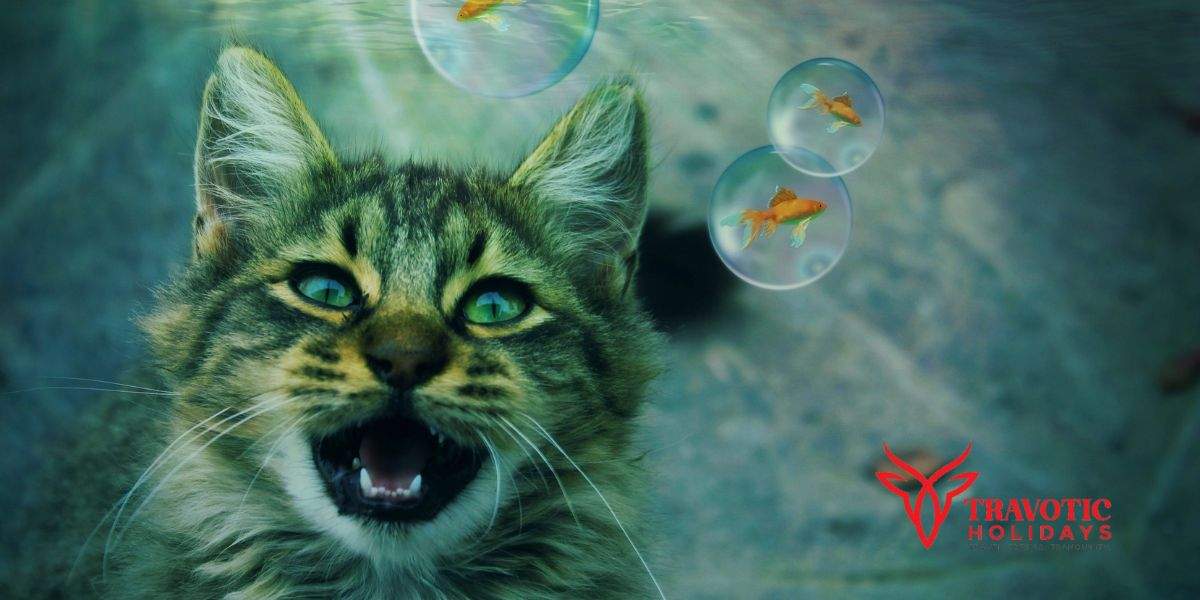
As the name suggests, the fishing cat is well adapted to aquatic habitats and is commonly found near rivers, marshes, and mangroves, especially in the Sundarbans. It feeds mainly on fish and is an excellent swimmer.
Where to find the Fishing Cat:
- Sundarbans National Park (West Bengal)
- Chilika Lake (Odisha)
- Coringa Wildlife Sanctuary (Andhra Pradesh)
12. Desert Cat (Asiatic Wildcat)
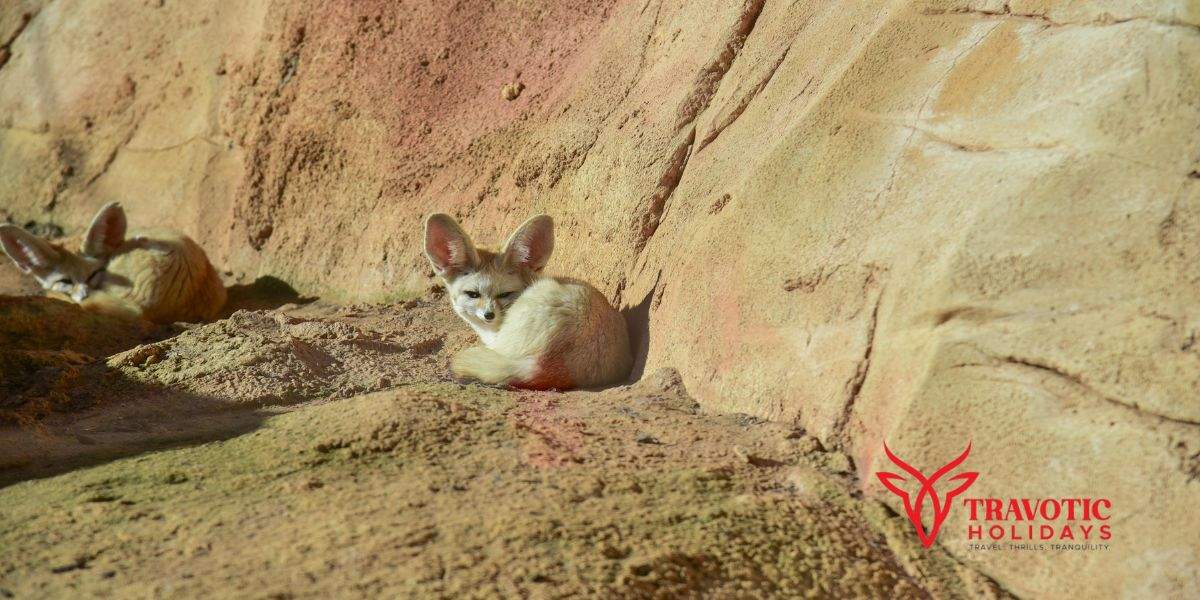
Found in the arid areas of Rajasthan and Gujarat, the desert cat has sandy-colored fur that helps it blend into its surroundings. It is mostly nocturnal and avoids human contact.
Where to find Desert Cat (Asiatic Wildcat):
- Desert National Park (Rajasthan)
- Banni Grasslands (Gujarat)
Why Wild Cats Are Important
They are apex predators and fulfill an important function in the maintenance of ecosystems. By controlling herbivore populations, they prevent overgrazing and help preserve forests and grasslands. Their presence is an indication of a healthy environment, and therefore a key indicator of biodiversity.
Best Time to Spot Wild Cats in India
The ideal time for wildlife safaris in India is between October and June, with peak sightings occurring from March to May when animals gather near water sources. For snow leopards, the best time is during the winter months from January to March.
Explore Wildlife with Travotic Holidays
At Travotic Holidays, we specialize in creating unique personalized wildlife itineraries all over India. We offer an array of unforgettable safaris to some of the country’s top wildlife destinations. You could be on a tiger sighting adventure in Madhya Pradesh’s tiger reserve, on a lion spotting safari in Gir, or tracking snow leopards in the rugged landscapes of Ladakh.
From luxury jungle lodges to budget-friendly safari packages, Travotic Holidays makes your dream wildlife adventure a reality. Get to experience the wild side of India like never before.
Conclusion
The wild cats of India symbolize the richness of the country’s natural heritage and the unmatched biodiversity of India. From the mighty tiger to the diminutive rusty-spotted wildcat, all have distinct roles to play in their respective ecological habitats. To explore the magnificent wild cats in their natural habitats is not just traveling; it is actually reaching out to the wildlife around us. With Travotic Holidays, go on an unparalleled journey to the wild cats of India.